
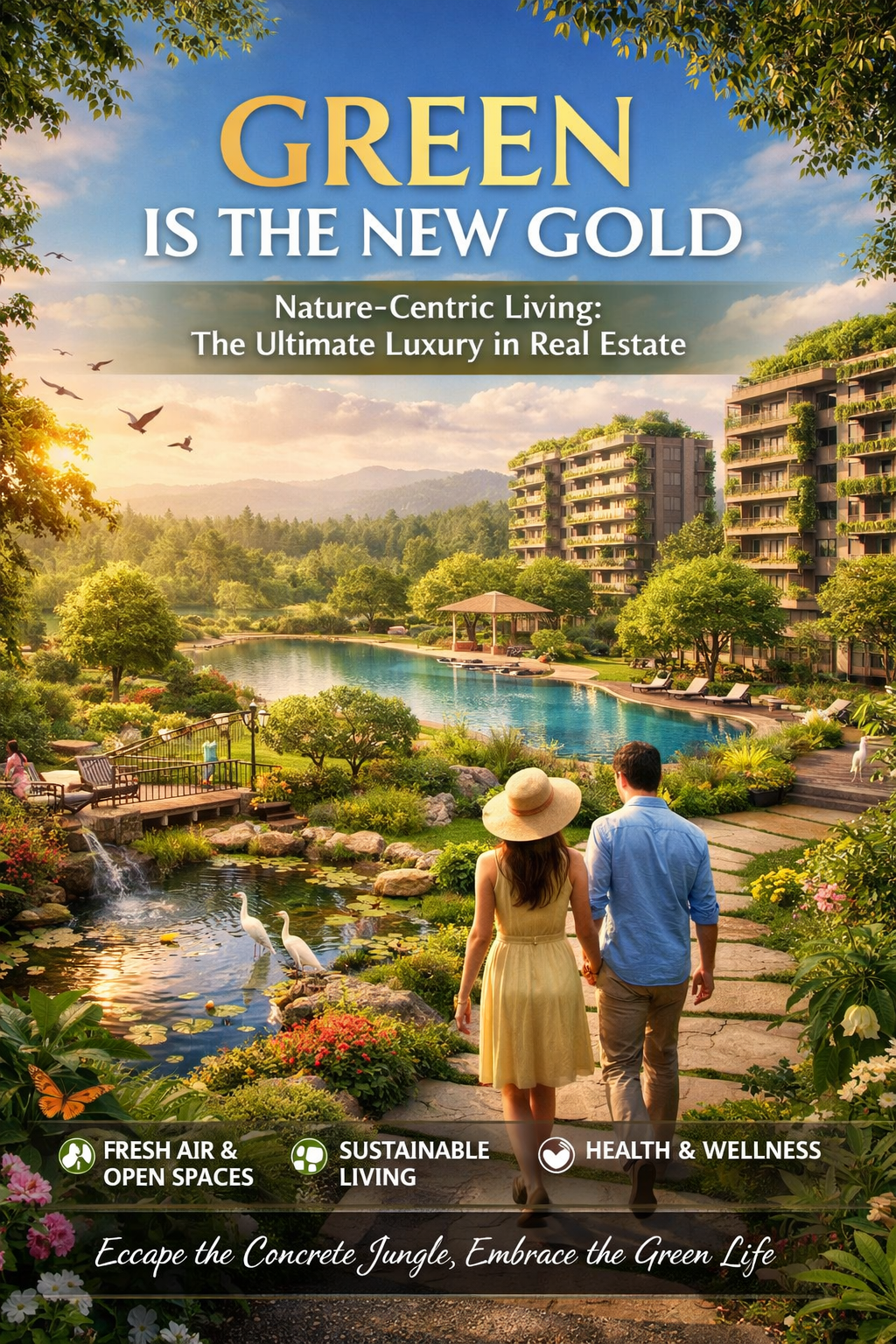
From Concrete Jungles to Living Landscapes — Why Homes Surrounded by Nature Are the Ultimate Status Symbol
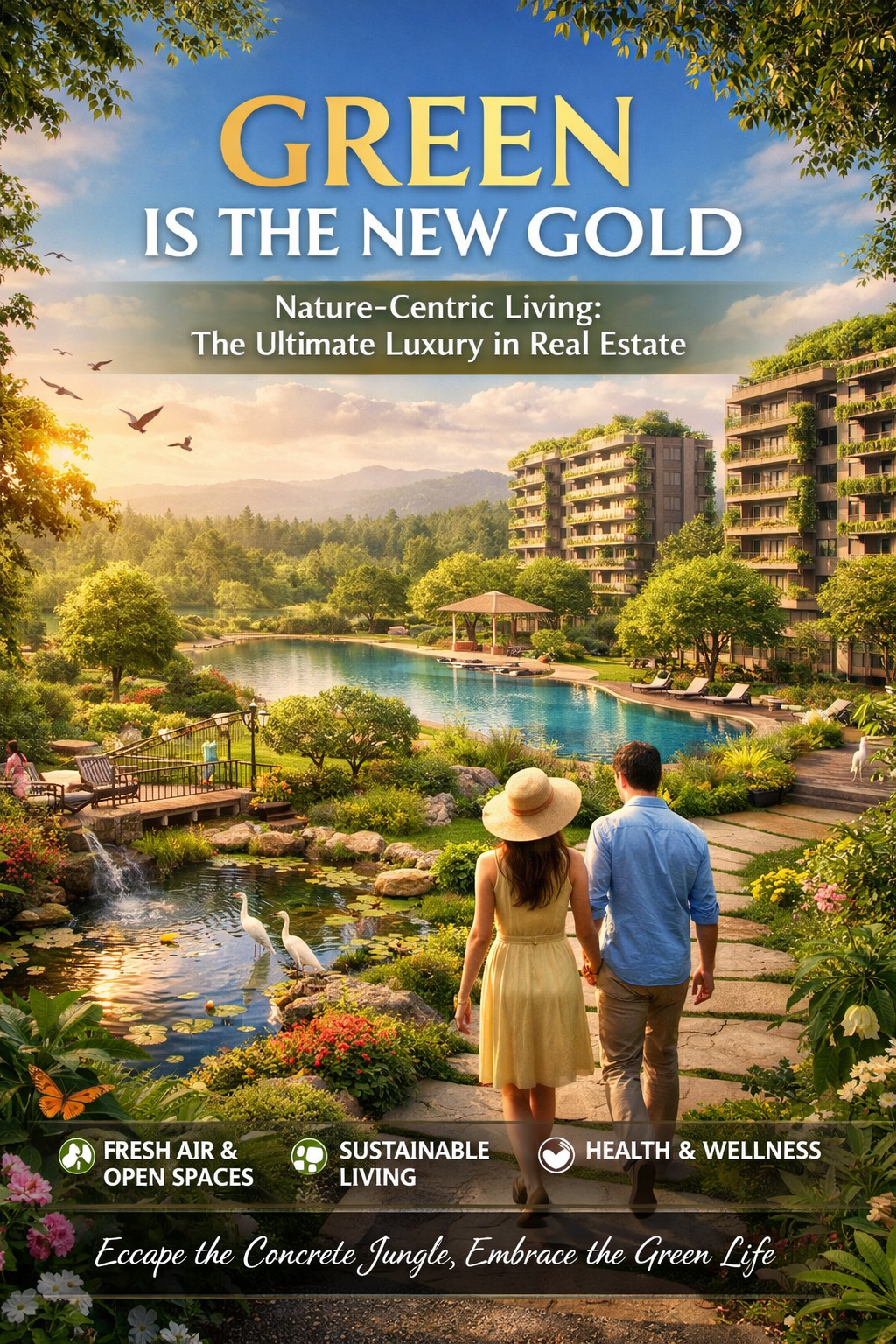
Introduction: A Silent Shift in the Meaning of Luxury
For decades, luxury in real estate was defined by height, grandeur, imported finishes, and premium addresses. The taller the tower and the shinier the lobby, the higher the perceived value. But as cities expand, traffic increases, and stress becomes a daily companion, homebuyers are beginning to ask a more meaningful question:
Does this home give me peace?
The answer increasingly lies in nature and greenery. Today, true luxury is not about excess—it is about balance. The ability to live close to trees, gardens, open skies, and fresh air has become rare, and rarity has turned greenery into the most valuable asset in modern real estate. This shift is not temporary; it is a long-term change in mindset that is reshaping how homes are designed, marketed, and valued.
Why Nature and Greenery Have Become the New Luxury
Urban development has consumed open land at a rapid pace. What was once a natural landscape is now covered with concrete, roads, and high-density housing. In such an environment, projects that preserve green spaces immediately stand out.
Nature offers what luxury interiors cannot:
- Calm and emotional well-being
- Cleaner air and better health
- Natural temperature control
- A sense of openness and freedom
In today’s real estate market, greenery is no longer just a visual benefit—it is a life-enhancing feature. Buyers are willing to pay a premium for homes that offer landscaped views, internal gardens, or forest-style planning because these elements directly improve daily living.
Post-Pandemic Reality: Homes Are No Longer Just Addresses
The pandemic played a major role in accelerating this trend. People were confined indoors and suddenly realized the importance of sunlight, balconies, greenery, and open spaces. Homes without ventilation or natural views felt suffocating, while those with greenery felt healing.
As work-from-home and hybrid work models continue, homes now serve multiple purposes:
- Living space
- Workplace
- Relaxation zone
- Wellness retreat
This has shifted buyer priorities from “location near office” to “environment that supports long hours at home.” Green surroundings help reduce stress, improve focus, and create a healthier lifestyle—making them a necessity rather than a luxury.
How Real Estate Developers Are Adapting to the Green Demand
Developers who understand changing buyer psychology are redesigning projects around nature. Modern luxury projects now highlight:
- 60–70% open and landscaped spaces
- Low-density planning with fewer towers
- Central gardens and green courtyards
- Walking trails, meditation zones, and butterfly gardens
- Sustainable features like rainwater harvesting and solar lighting
Marketing narratives have also evolved. Instead of just floor plans and amenities, developers now sell experiences—morning walks under trees, children playing on natural lawns, and families spending evenings in open green spaces.
Advantages of Green Living in Real Estate
1. Better Physical and Mental Health
Green surroundings reduce anxiety, improve sleep, and encourage an active lifestyle. Clean air and natural light contribute to long-term health benefits.
2. Improved Property Value and Appreciation
Nature-centric projects often enjoy better resale value and faster appreciation due to limited supply and increasing demand.
3. Lower Energy Consumption
Green buildings stay cooler naturally, reducing dependency on air conditioning and lowering electricity costs.
4. Strong Community Living
Open spaces encourage social interaction, children’s play, and community bonding—something high-density projects often lack.
5. Future-Proof Investment
As environmental regulations tighten and sustainability becomes essential, green projects will remain relevant and desirable for decades.
What Buyers Should Check Before Buying a Green or Nature-Centric Home
Green marketing is powerful—but buyers must look beyond brochures. Here are key points every buyer should verify:
1. Actual Green Space vs Advertised Green Space
Check how much of the project area is genuinely landscaped. Ask for:
- Percentage of open space
- Ground-level greenery vs podium gardens
- Tree plantation plans
2. Density of the Project
Low-density projects offer better privacy, ventilation, and greenery. Check:
- Number of towers
- Flats per floor
- Distance between buildings
3. Orientation and Natural Light
A green project should allow sunlight and airflow. Ensure:
- Proper window placement
- Cross ventilation
- Open views instead of blocked walls
4. Sustainability Features
True green projects include:
- Rainwater harvesting
- Sewage treatment plants (STP)
- Solar panels
- Waste management systems
These reduce maintenance costs and environmental impact.
5. Long-Term Maintenance of Green Areas
Ask who will maintain landscaped zones and what the monthly cost impact will be. Poor maintenance can destroy the green advantage over time.
6. Legal and Environmental Approvals
Ensure all environmental clearances and approvals are in place, especially for large land parcels and forest-adjacent developments.
The Emotional Value of Green Homes
Beyond numbers and appreciation, green homes offer something deeply personal—a sense of belonging and calm. Waking up to birds instead of horns, walking barefoot on grass, watching children play freely, and ending the day under an open sky—these experiences define real luxury today.
In a world full of constant noise and pressure, a green home becomes a sanctuary.
Conclusion: The Future of Real Estate Is Rooted in Nature
The real estate industry is witnessing a clear and irreversible shift. Luxury is no longer about how much you own, but how well you live. Nature and greenery have moved from being optional features to essential lifestyle elements.
As cities grow taller and denser, the real premium will belong to homes that preserve openness, greenery, and harmony with the environment. For buyers, choosing a green home is not just a purchase decision—it is a commitment to better living, better health, and a better future.
In the new era of real estate, green is not just beautiful.
Green is powerful.
Green is the real luxury. 🌿




Join The Discussion